My view on RNLI abuse following Portsmouth protests
Most of what we launch to at Littlestone is a child who has wandered off from the amusements at Dymchurch, a swimmer who has gone further out than they meant to, a kayaker carried offshore on the ebb. The pager goes and tells you almost nothing. You find out what the job is when you get there, and by then you are already at sea. Littlestone is twenty miles from Dover, about as close to the Channel crossing route as a lifeboat station gets.
On Sunday two lifeboats from the Isle of Wight, Bembridge and Yarmouth, were tasked to a dinghy south of the island. It had come from Normandy rather than Calais, ten hours at sea, carrying between 120 and 140 people depending on which account you read. By Monday the volunteers who crewed them were being called traitors, with their names and faces circulating online.
It is worth walking back through how those people came to be standing on a slipway at Eastney, because at every stage somebody made a decision, and it is possible to say precisely who.
A smuggler decided how many to put in the boat. The average small boat carried seven people in 2018 and sixty-five in the year to June 2026, because loading more onto fewer launches is how the gangs get past the patrols on the French beaches. French authorities decided, or were unable, to stop it leaving. HM Coastguard decided to task lifeboats, on the standing basis that every small boat crossing the Channel is classed as being in distress. That classification is not a courtesy. An overloaded inflatable with no radio, usually no lights and no way of getting out of anyone’s path is crossing one of the busiest stretches of water in the world, often in the dark, among ships that need miles to alter course and will never see it. The King’s Harbour Master at Portsmouth, who is Royal Navy, decided to refuse entry, and Southampton Vessel Traffic Service decided the same, both on open marine VHF, with the coxswains told that failing to comply would mean criminal prosecution against them personally. Associated British Ports says Southampton was not the nearest port and had no reception facilities. Langstone Harbour decided to take them, its harbour master saying afterwards that this was a search and rescue operation and he saw no reason to refuse. The Home Office decided what happened on the quay. Suella Braverman called on every port in the country to do what Southampton and Portsmouth had done.
The two coxswains decided nothing, except to go.
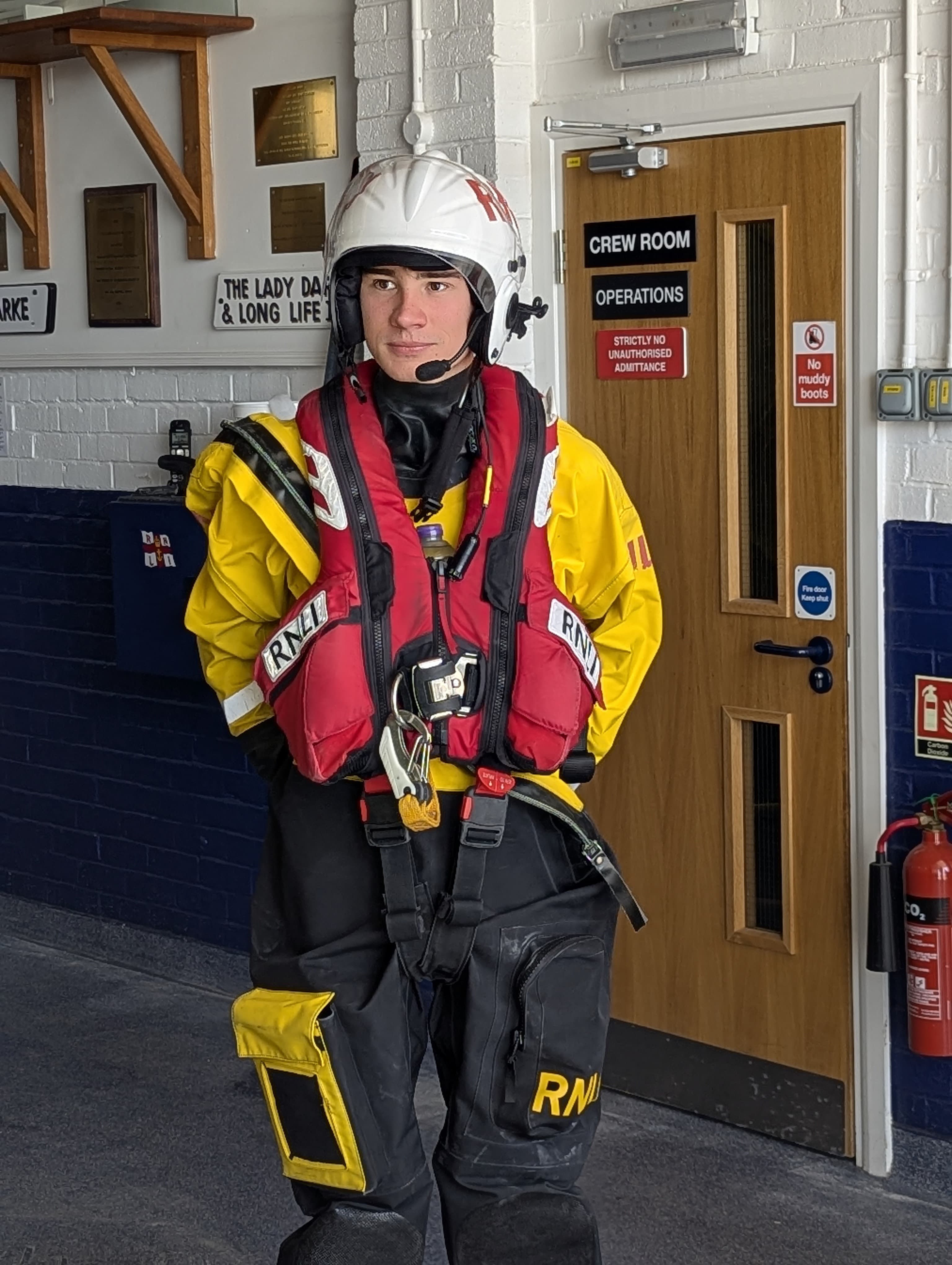
I should say here that I am volunteer crew, at Littlestone and at Tower in London. This week both stations told me not to wear RNLI branded clothing in public, and to think about where I park because of the sticker in the car window. In three years nobody has ever asked me to do either before.
There is one real dispute in all this. The harbourmasters’ position was that nobody aboard faced a risk to life; the RNLI’s is that the Coastguard classes these boats as in distress by default. That argument belongs to the Coastguard, the ports and the government. It was not available to two crews already carrying 140 people.
Nor is any of this most of what the RNLI does, whatever the phrase taxi service implies. Lifeboats launched 9,058 times in 2025, of which 109 were to the Channel, or 1.2 per cent, and nearly 95 per cent of those who crossed last year were picked up by Border Force. The charity takes no government money: legacies were 66 per cent of income in 2023 and donations 28 per cent. None of that is my word against anyone else’s. The accounts are audited and published annually and every station’s launch record is public, which is where the 9,058 comes from.
Nothing here requires you to think the crossings are fine. They are not. In August a dinghy carrying 173 people caught fire off Boulogne. At least 162 have died on the route since 2018.
You can want the boats stopped and still think all of this. David Wimble, a Reform councillor in Kent and a former lifeboat volunteer, condemned the abuse of crews this week and made the same point. The people being doxxed did not set immigration policy, did not choose the casualties and were not permitted to choose the port. Their pager went on a Sunday morning, and it told them almost nothing.