Volunteer boat and shore crew, RNLI
- Role
- Volunteer boat and shore crew
- When
- 2023-present
- Context
- Littlestone Lifeboat Station, Kent (since 2023) and Tower Lifeboat Station, London (since 2026).
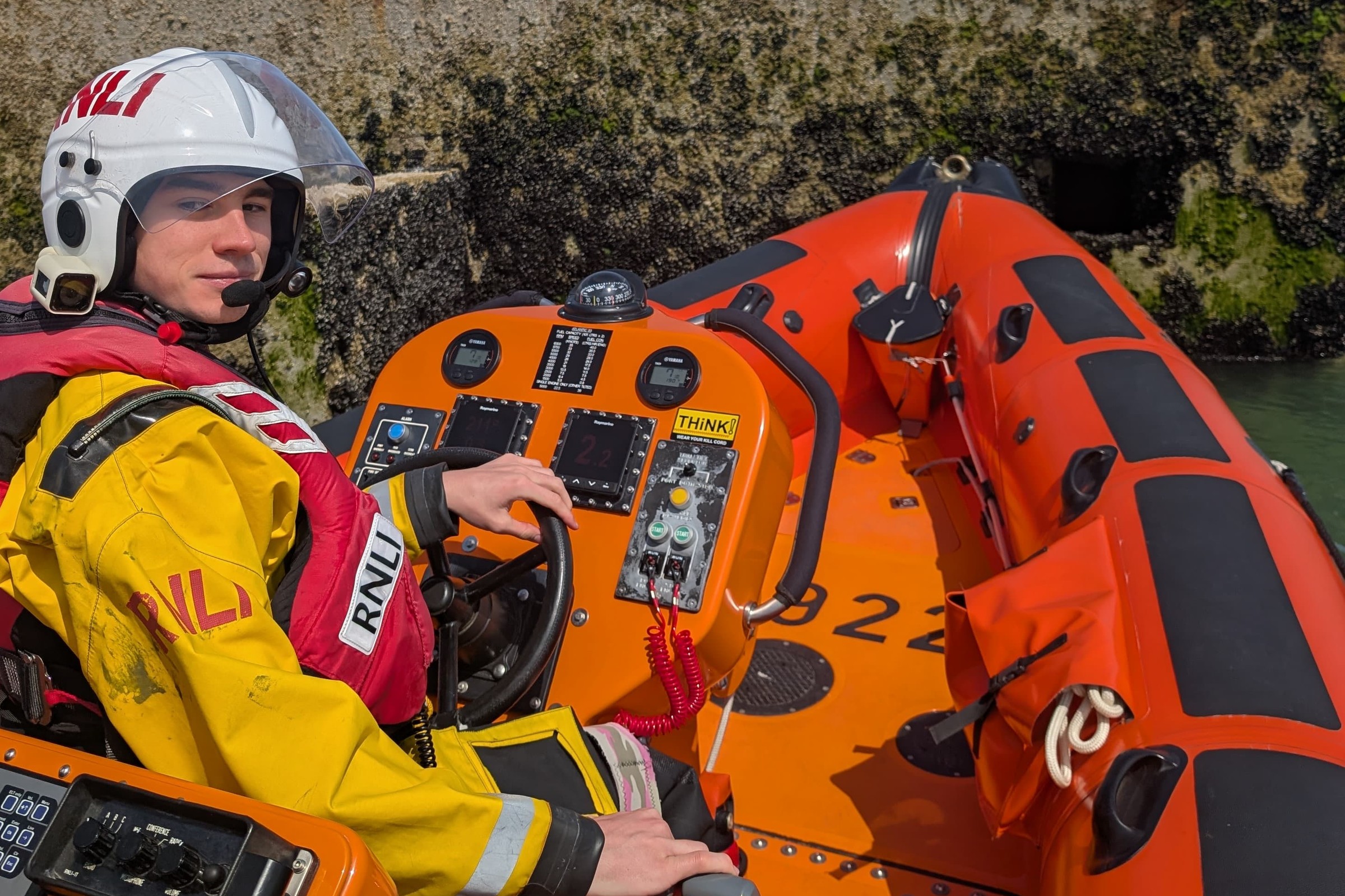
I am volunteer boat and shore crew at Littlestone and Tower, supporting search and rescue operations in response to HM Coastguard taskings. That covers crewing on operational callouts, supporting launches and recoveries, casualty care, and the ongoing training needed to stay operational. My grandfather Pat joined the crew at Littlestone in the 1960s, my father Peter is now the station’s longest-serving helm, and the family has been volunteering there for over fifty years. I joined Tower after starting at LSE, because Littlestone is over two hours from campus. Each station runs the model its situation makes necessary and its circumstances make possible.
Tower is the busiest lifeboat station in the country, with 467 callouts and 18 lives saved in 2025. It operates along the busiest section of the River Thames in Central London and uses a shift system where you stay on station for 12 hours at a time, so the E class can launch within a couple of minutes of receiving an alert.
Littlestone had 29 callouts in 2025, and typically closer to 50, operating between the Port of Dover and Dungeness. It uses a pager system, where people receive an alert and make their way to the station, and we then prepare the boat, kit up, and drive the Atlantic 85 down the ramp towards the sea on the tractor. At low tide that is a drive of up to a mile, and the boat is usually away 15 to 20 minutes after the pager goes.
The callout figures measure how often each station is needed, not what is at stake when it is. A shout at Littlestone is no less serious for being rare, and the crew who answer it have left work, or dinner, or bed to do so. My pager went on Christmas Day 2024, and enough people put their day down to launch the boat. Fifty callouts a year is not enough to build a routine around. People turn out anyway.
What the work involves
Training runs twice a week and you attend what you can. In 2024 I was at the station over 50 times for training and callouts.
Afloat, that means practising core skills: towing, anchoring, veering, helming and search patterns. On shore it means launching and recovering the boat, ropework, rigging the net for recoveries in weather too rough to back into the carriage, casualty care, and theory.
On service you get a short description of the incident from the Coastguard, make your way to the area, and receive a fuller brief with the tasking once you are on scene. Most often that is a search pattern for a missing person, or checking on someone in the water who a member of the public thought might be in difficulty. Most of those turn out to be nothing. A few are extremely serious, and you cannot tell which is which until you arrive, so every tasking is treated the same way.
What I Have Contributed
Navigation routes. The station’s navigation system had capacity nobody was using. I programmed pre-plotted routes to the locations we are most often tasked to, which cut launch preparation from roughly two minutes to thirty seconds at no cost. It is now standard practice at the station, including a version with hazards marked in.
Training sessions. Travel and recovery time were eating into hands-on practice, so I proposed lengthening sessions from ninety minutes to three hours. The senior helm trialled and endorsed it, and the longer format is now standard for complex exercises, with ninety-minute slots kept for simple drills.
On the radio
I was interviewed live on BBC Radio Kent about my experience on my first call out and maritime safety, which meant explaining technical language into something that works for a general audience, and balancing describing my experiences with getting the “float to live” water safety message in. This really helped boost my confidence speaking publicly, which is something I have been working on over the last year.